Not AAA, but Smart: Game Development Strategies for Indie Studios
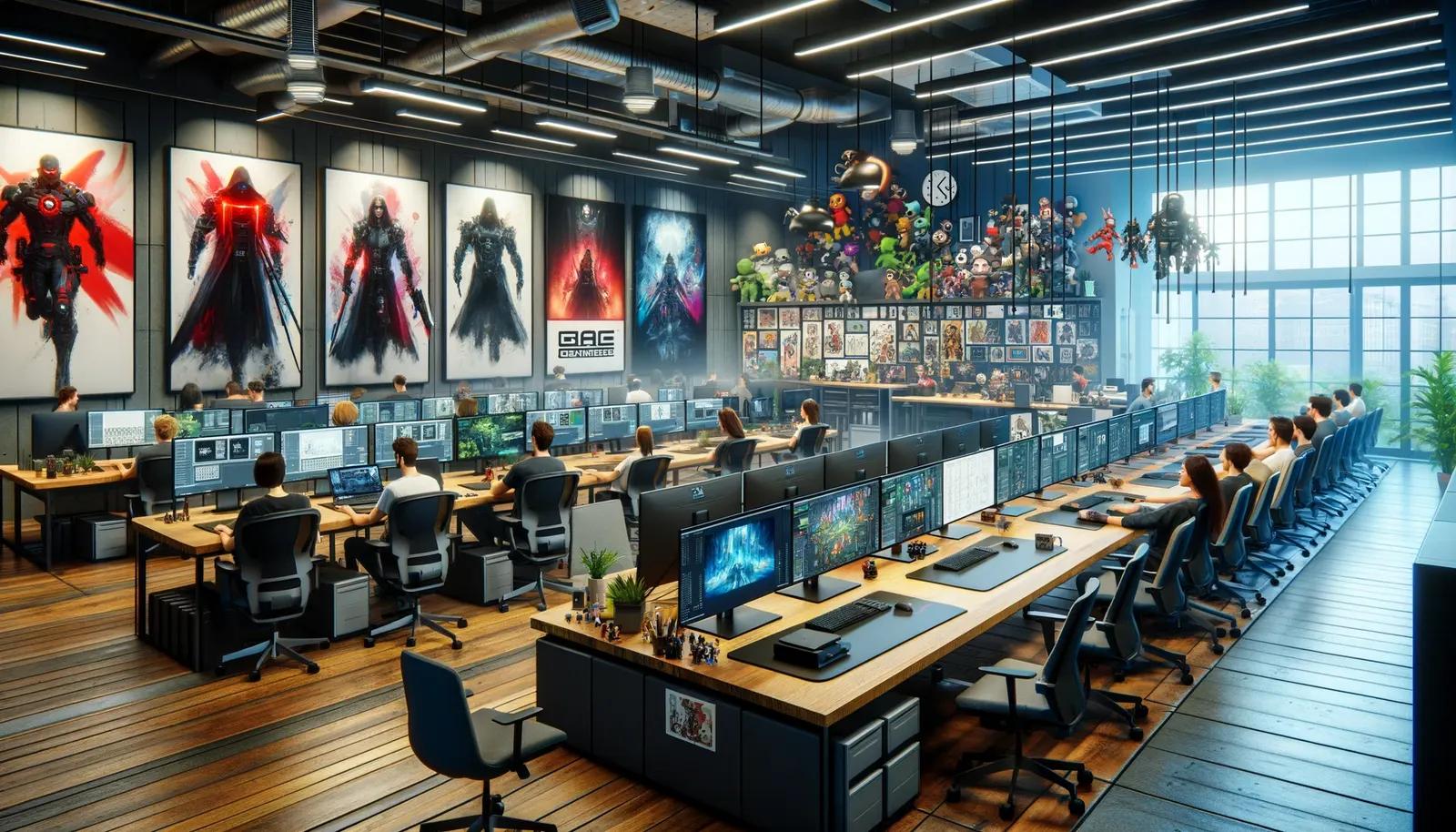
In gaming, success is often equated with the “AAA” label. Huge budgets, hundreds of developers, cinematic trailers…
But here’s the hard truth:
Being AAA doesn’t mean making a good game.
For indie studios, the point isn’t to be “bigger.” It’s to be smarter.
Where Does AAA’s Power Come From?
Let’s lay out the picture first.
What AAA studios have going for them:
- Massive budgets
- Large teams
- Marketing muscle
- Licensed technology
But they also have:
- High risk
- Slow decision-making
- Corporate culture that stifles creativity
- A “nobody is allowed to fail” mindset
In other words, a big ship struggles to maneuver in tight waters.
The Hidden Advantage of Indie Studios
Indie studios often don’t realize it, but they hold a very powerful weapon:
Flexibility
- Decisions get made fast
- Technical debt gets spotted early
- Something can be called “not working” and thrown out
- The game is shaped by intuition, not a spreadsheet
This is exactly where smart strategy comes in.
1. Don’t Fall into the “We’ll Do Everything” Trap
The biggest mistake indie studios make:
“Let’s be like AAA, just with fewer people.”
That’s a straight path to the project graveyard.
The smart approach:
- Pick one core mechanic
- Make it as close to flawless as you can
- Design everything else to support that mechanic
Remember:
Players won’t remember 20 features. They’ll remember 1 powerful feeling.
2. Identity Wins, Not the Graphics Race
Photorealism is expensive.
Style is cheap.
Indie games stick in people’s memories because of:
- A distinctive visual language
- Bold artistic choices
- Being recognizable aesthetically, not technically
A smart studio asks:
“If I saw this game on a screen, could I recognize it without knowing its name?”
3. Don’t Let the Engine Run You. Run the Engine.
Off-the-shelf engines are a blessing for indies, true.
But blind loyalty to one is a disaster.
The smart strategy:
- Put the engine in service of the game
- Modify the engine if you need to
- Write your own tools if you need to
For some studios, at this point it even makes sense to build their own game engine.
Because control is worth more than speed.
4. Win with System Depth, Not Content Volume
AAA games pump out content.
Indie games design systems.
- Fewer weapons, but each one meaningful
- A small map, but every corner of it works
- A short playtime, but high replayability
That lowers production costs while raising quality.
5. Test Early, Take the Painful Feedback, Sleep Well
The most valuable resource an indie studio has:
Early, honest player feedback
Smart studios:
- Don’t hide the prototype
- Aren’t afraid to say “it’s not done yet”
- Listen not to what players say, but to why they say it
The process bruises the ego, but it saves the game.
6. If You Remember Marketing on Launch Day, You’ve Already Lost
“Let’s make the game first, then promote it.”
That sentence is the epitaph of thousands of games.
The smart approach:
- Share your development process
- Write devlogs
- Build a small but loyal community
Players don’t get attached to a finished game. They get attached to the journey.
The Bottom Line: You Don’t Have to Be Big, You Have to Be Right
For indie studios, success isn’t:
- More features
- A bigger map
- More realistic graphics
It’s:
- A clear vision
- Smart technical decisions
- Bold but calculated risks
demektir.
Not being AAA is fine.
But if you’re not smart, no budget will save you.